Are you tired of chaotic sprint planning sessions that leave your team feeling overwhelmed and unprepared? Effective sprint planning is the cornerstone of successful agile projects, yet many teams struggle to get it right. This guide offers ten sprint planning tips and practical strategies to improve your sprint planning process, boost team productivity, and deliver exceptional results. By implementing these techniques, you will transform your sprints from stressful scrambles into well-oiled machines that drive your project forward with precision and purpose.
1 – Set Clear Sprint Goals
Setting clear sprint goals is a fundamental aspect of successful sprint planning. When you define specific, measurable objectives for the sprint, you give your team a clear direction and purpose. This clarity helps everyone stay focused and aligned throughout the sprint.

One effective way to create sprint goals is by using the SMART criteria. SMART stands for Specific, Measurable, Achievable, Relevant, and Time-bound. By applying these criteria, you can craft goals that are well-defined and actionable. For example, instead of a vague goal like “improve user experience,” you might set a SMART goal such as “reduce payment processing time by 30% for the checkout process within the next two-week sprint.”
It’s crucial to align your sprint goals with the overall project and business objectives. This alignment ensures that each sprint contributes meaningfully to the bigger picture. To achieve this, involve the entire team in goal-setting discussions. By including developers, designers, testers, and other relevant team members, you can tap into diverse perspectives and expertise. This collaborative approach often leads to more realistic and impactful goals.
2 – Prioritize Backlog Items Effectively
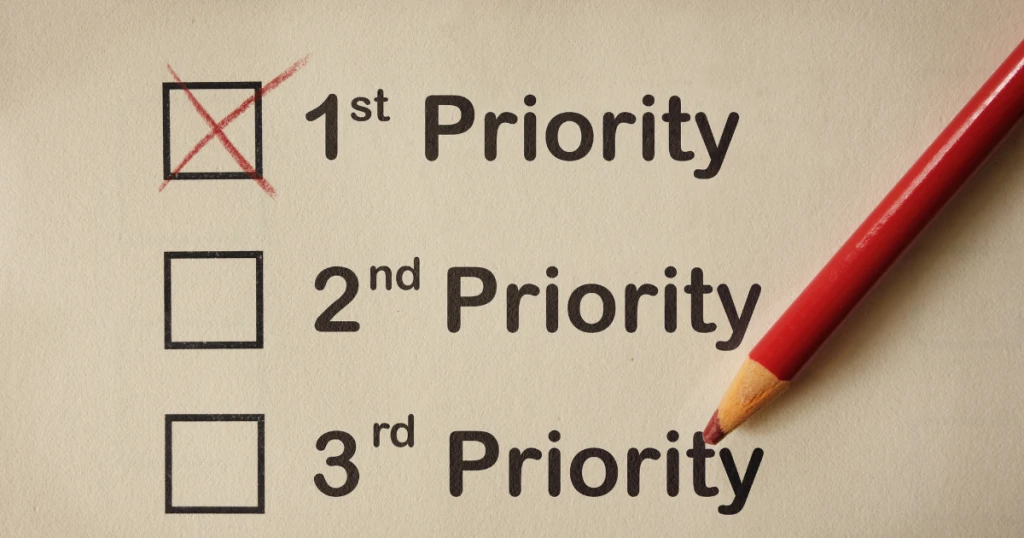
Effective prioritization of backlog items is key to maximizing the value delivered in each sprint. One popular technique for prioritization is the MoSCoW method, which categorizes items as Must-have, Should-have, Could-have, or Won’t-have. This approach helps teams focus on the most critical items first.
Another useful method is weighted shortest job first, which considers both the value and effort required for each item. Doing this creates an opportunity to identify backlog items that produce the most value with the smallest effort. By assigning weights to different factors, you can create a more nuanced prioritization scheme.
When prioritizing, it’s essential to consider business value, risk, and dependencies. High-value items that also mitigate significant risks should generally be given priority. However, you must also account for dependencies between items to ensure a logical workflow.
Involve the product owner and stakeholders in prioritization decisions. Their input is valuable in understanding business priorities and customer needs. Regular refinement and updates to the product backlog are necessary to keep it current and relevant.
3 – Estimate Tasks Accurately

Accurate task estimation is crucial for realistic sprint planning. Planning poker is a popular collaborative estimation technique where team members use numbered cards to indicate their estimates. This method encourages discussion and helps prevent anchoring bias.
For simpler estimation, t-shirt sizing (using sizes like XS, S, M, L, XL) can be effective. It provides a quick way to gauge relative effort without getting bogged down in precise numbers.
When estimating, break down complex tasks into smaller, manageable items. This breakdown makes estimation more accurate and helps identify potential issues early. Consider your team’s velocity and capacity when estimating. If your team typically completes 30 story points per sprint, don’t plan for 50.
Don’t forget to account for potential risks and unknowns in your estimates. It’s often helpful to add a buffer for unexpected challenges. This approach helps maintain realistic expectations and reduces the likelihood of missed deadlines.
4 – Foster Team Collaboration

Team collaboration is the backbone of successful sprint planning and execution. Encourage open communication and active participation from all team members. Create an environment where everyone feels comfortable sharing ideas, concerns, and feedback. Encourage constructive criticism and make it clear that all input is valued. This approach fosters innovation and helps identify potential issues before they become major problems.
Visual aids can significantly enhance collaboration. Task boards, whether physical or digital, provide a clear overview of sprint progress. Burndown charts help track the completion of work over time, making it easy to spot potential issues early.
Consider implementing pair programming or mob programming techniques. These collaborative coding practices can lead to higher quality code, knowledge sharing, and improved problem-solving. They’re particularly useful for complex tasks or when onboarding new team members.
5 – Plan for Contingencies

In sprint planning, it’s wise to expect the unexpected. Start by identifying potential roadblocks and risks. These might include technical challenges, resource constraints, or external dependencies. Once identified, develop contingency plans for high-risk items.
Allocate buffer time for unexpected issues. This doesn’t mean padding estimates but rather acknowledging that some tasks may take longer than anticipated. A good rule of thumb is to leave about 20% of your sprint capacity unallocated for handling unforeseen challenges. By planning for contingencies, you’re better prepared to handle obstacles without derailing the entire sprint. This proactive approach can significantly improve your team’s ability to deliver on sprint commitments.
Regularly assess and update your risk mitigation strategies. As the sprint progresses, new risks may emerge while others become less relevant. Stay agile in your approach to risk management, adjusting your plans as needed.
6 – Use Time-Boxing Effectively
Time-boxing is a powerful technique for maintaining focus and productivity during sprint planning and execution. Set strict time limits for sprint planning sessions. This constraint helps prevent discussions from dragging on and ensures efficient use of everyone’s time.
Allocate specific time slots for each planning activity. For example, you might dedicate 30 minutes to backlog grooming, 45 minutes to task breakdown, and 15 minutes to final goal setting. This structure keeps the meeting on track and ensures all necessary topics are covered.
During the sprint itself, encourage the use of time-boxing techniques like the Pomodoro Technique for focused work. This method involves working in 25-minute intervals followed by short breaks, which can boost productivity and prevent burnout.
Always respect team members’ time and avoid unnecessary meetings. If a discussion can be handled via email or a quick chat, don’t schedule a formal meeting. By using time effectively, you’ll find your team has more energy for the important work of the sprint.
7 – Implement Continuous Improvement
Continuous improvement is a cornerstone of agile methodologies, and it’s particularly important in sprint planning. Conduct regular retrospectives at the end of each sprint to identify areas for improvement. These sessions should be open, honest, and focused on constructive feedback.
Don’t be afraid to experiment with new planning techniques and tools. What works for one team may not work for another, so be willing to try different approaches. For example, you might test out different estimation techniques or project management tools to see what fits best with your team’s workflow.
Encourage feedback from team members and stakeholders throughout the sprint. This ongoing input can help you make real-time adjustments and improvements. Remember, the goal is to create a planning process that works well for your specific team and project.
Iterate on your sprint planning process based on lessons learned. If you find that certain activities consistently run over time, adjust your schedule accordingly. If team members struggle with particular aspects of planning, provide additional training or support. By continuously refining your approach, you’ll develop a more efficient and effective sprint planning process over time.
8 – Leverage Technology and Tools
Today, various tools and technologies are available to streamline sprint planning. Project management software like Jira or Trello can help organize tasks, track progress, and visualize workflows. These tools often integrate with other systems, allowing for seamless information flow across your development ecosystem.
For remote teams, collaborative tools like Miro or Mural can recreate the experience of in-person planning sessions. These digital whiteboards allow for real-time collaboration on sprint planning activities, from backlog grooming to task estimation.
Time-tracking and estimation tools can provide valuable data for improving future sprint planning. By analyzing actual vs. estimated time spent on tasks, you can refine your estimation process and make more accurate predictions.
Look for opportunities to automate repetitive tasks in your planning process. For example, you might use scripts to generate standardized sprint reports or update status boards automatically. By reducing manual work, you free up more time for strategic planning and problem-solving during sprint planning sessions.
9 – Balance Work and Capacity
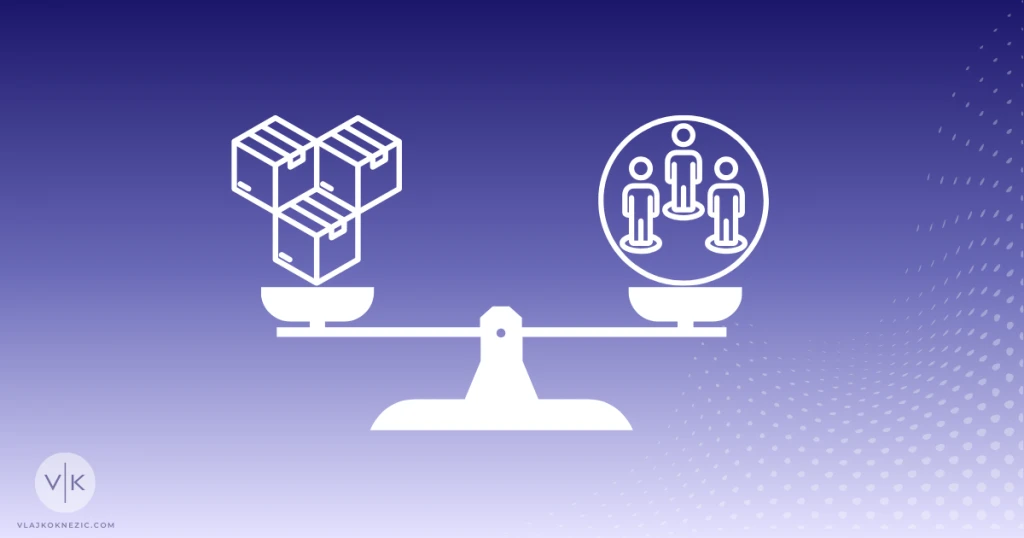
Achieving the right balance between work commitments and team capacity is crucial for sustainable sprint planning. Start by considering team members’ availability and workload. Account for holidays, vacations, and other planned time off when determining sprint capacity.
Factor in time for learning, innovation, and technical debt reduction. These activities might not directly contribute to sprint goals but are essential for long-term team health and project success. A good rule of thumb is to allocate about 20% of sprint time for these non-feature activities.
Avoid overcommitting to maintain a sustainable pace. It’s better to consistently meet realistic goals than to occasionally achieve stretch goals at the cost of team burnout. If you find your team is consistently unable to complete all planned work, it may be a sign that you’re overestimating capacity or underestimating task complexity.
Remember that capacity isn’t just about available hours. Consider the energy levels and mental capacity of your team members. A technically challenging sprint might require more downtime or a lighter workload in the following sprint to allow for recovery and reflection.
10 – Communicate Effectively with Stakeholders
Effective communication with stakeholders is vital for successful sprint planning and execution. Involve key stakeholders in sprint planning when necessary, especially for high-priority or high-impact items. Their input can provide valuable context and help align sprint goals with broader business objectives.
Clearly communicate sprint goals and expected outcomes to all stakeholders. This transparency helps manage expectations and ensures everyone understands what will be delivered at the end of the sprint. Use clear, non-technical language when discussing sprint plans with non-technical stakeholders.
Provide regular updates on sprint progress. This could be through daily standup summaries, weekly status reports, or a continuously updated dashboard. Proactive communication helps build trust and allows stakeholders to plan their work around expected deliverables.
Address stakeholder concerns and manage expectations throughout the sprint. If issues arise that might impact deliverables, communicate these promptly, along with potential solutions or mitigation strategies. By keeping stakeholders informed and involved, you can maintain their support and ensure smoother project progression.
Effective sprint planning is crucial for successful Agile projects. By setting clear goals, prioritizing tasks, estimating accurately, and fostering collaboration, teams can maximize productivity. Planning for contingencies, using time-boxing, and continuously improving processes further enhance sprint effectiveness. Leveraging technology, balancing workload, and maintaining open communication with stakeholders round out the key strategies for optimizing sprint planning and achieving project success.