Have you ever wondered what it takes to lead a high-performing agile team? The role of a Scrum Master is both challenging and rewarding, requiring a unique blend of skills and qualities. In this guide, besides Scrum Master responsibilities, we will also uncover the essential techniques and challenges Scrum Masters face. You will get a clear understanding of how to excel in this pivotal role and drive your team towards agile success.
What is a Scrum Master?
A Scrum Master is a key role in the Scrum Agile framework. They act as facilitators, coaches, and servant leaders to help teams work effectively and efficiently. Scrum Masters are responsible for ensuring that Scrum practices are understood and followed by the team and the organization.
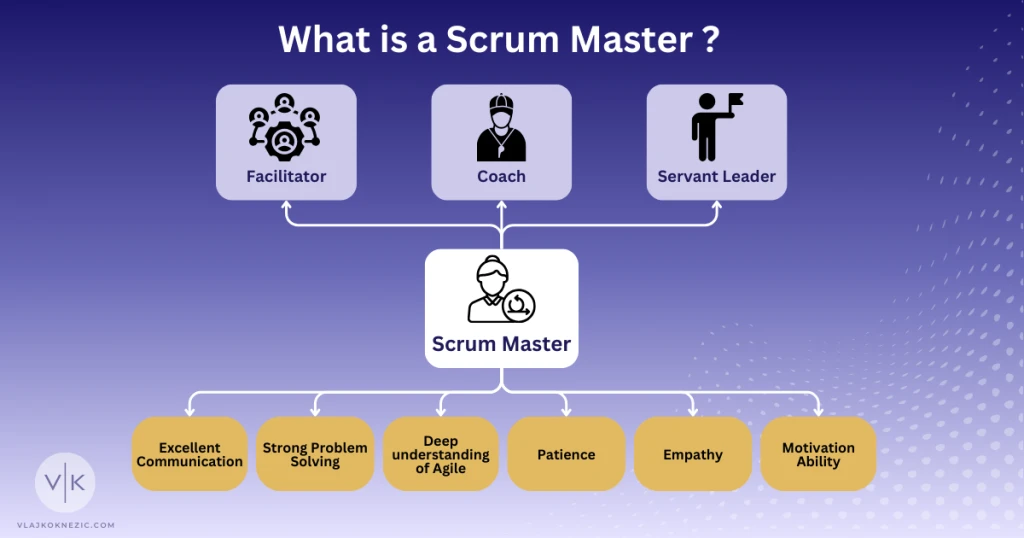
To be an effective Scrum Master, one must possess a unique set of qualities and skills. These include excellent communication abilities, strong problem-solving skills, and a deep understanding of Agile principles. Patience, empathy, and the ability to motivate others are also crucial traits for success in this role.
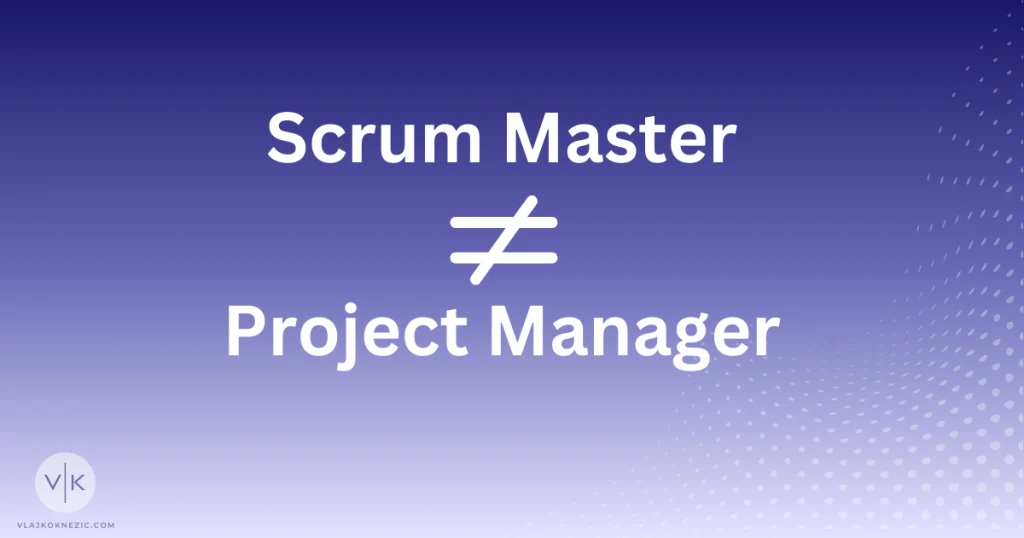
It’s essential to understand the distinction between a Scrum Master and a project manager. While both roles involve leadership, their focus and responsibilities differ significantly. Project managers typically have more direct control over team activities and decisions. Scrum Masters act as facilitators and coaches, empowering the team to make their own decisions and solve problems independently.
Core Scrum Master Responsibilities
Facilitating scrum events
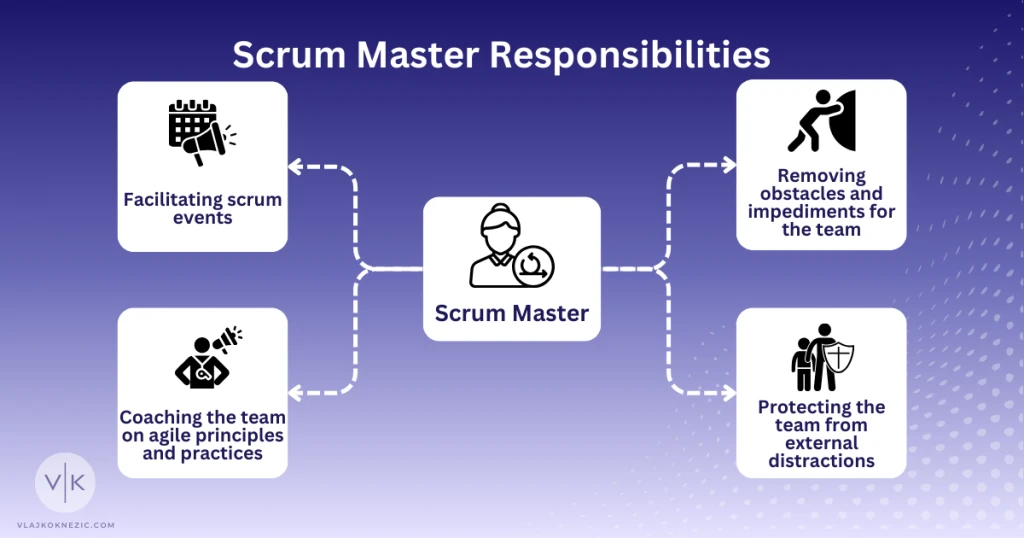
One of the primary responsibilities of a Scrum Master is to facilitate various Scrum events. These include sprint planning, daily standups, sprint reviews, and retrospectives. During sprint planning, the Scrum Master ensures that the team understands the sprint goals and selects appropriate items from the product backlog. Daily standups are brief meetings where team members share progress and obstacles. The Scrum Master keeps these meetings focused and time-boxed. Sprint reviews involve demonstrating completed work to stakeholders, while retrospectives are opportunities for the team to reflect on their processes and identify areas for improvement.
Removing obstacles and impediments for the team
Another crucial aspect of the Scrum Master’s role is identifying and removing obstacles that hinder the team’s progress. This may involve addressing technical issues, resolving conflicts, or negotiating with external stakeholders. The Scrum Master acts as a shield for the team, protecting them from unnecessary distractions and allowing them to focus on their work.
Coaching the team on agile principles and practices
Scrum Masters are responsible for educating and guiding the team on Agile principles and Scrum practices. This involves helping team members understand the values and principles of Agile, as well as the specific roles and responsibilities within the Scrum framework. The Scrum Master may organize training sessions, provide resources, or offer one-on-one coaching to support the team’s continuous learning and improvement.
Protecting the team from external distractions
Another vital responsibility of the Scrum Master is to shield the team from external interruptions and pressures. This may involve managing stakeholder expectations, filtering requests that don’t align with sprint goals, and ensuring that the team has the necessary focus to complete their work. By protecting the team’s time and attention, the Scrum Master helps maintain productivity and momentum throughout the sprint.
Supporting the Product Owner

Helping to manage the product backlog
The Scrum Master works closely with the Product Owner to ensure that the product backlog is well-maintained and prioritized. This involves assisting in backlog refinement sessions, where items are clarified, estimated, and ordered based on business value and dependencies. The Scrum Master may also help the Product Owner break down large items into smaller, more manageable tasks that can be completed within a single sprint.
Facilitating effective communication between the product owner and the team
Clear communication between the Product Owner and the development team is crucial for project success. The Scrum Master acts as a bridge, ensuring that the Product Owner’s vision and priorities are effectively conveyed to the team. This may involve organizing meetings, clarifying requirements, or helping to resolve any misunderstandings that arise during the development process.
Assisting in sprint goal setting and prioritization
The Scrum Master supports the Product Owner in defining clear and achievable sprint goals. They help facilitate discussions between the Product Owner and the team to ensure that everyone understands the objectives and priorities for each sprint. This process involves balancing the Product Owner’s desired outcomes with the team’s capacity and capabilities.
Supporting the Team

Promoting self-organization within the team
A key principle of Scrum is self-organization, where team members take ownership of their work and collaborate effectively. The Scrum Master encourages this by empowering team members to make decisions, take on responsibilities, and solve problems independently. They create an environment where individuals feel confident in their abilities and are willing to step up and contribute their skills and ideas.
Encouraging open communication and conflict resolution
Open and honest communication is essential for a high-performing Scrum team. The Scrum Master fosters an environment where team members feel comfortable sharing their thoughts, concerns, and ideas. When conflicts arise, the Scrum Master helps facilitate constructive discussions and guides the team towards resolution. This may involve teaching conflict resolution techniques or mediating discussions between team members.
Facilitating team-building activities and continuous improvement
To strengthen team bonds and improve collaboration, the Scrum Master organizes team-building activities and exercises. These can range from simple icebreakers to more complex problem-solving challenges. Additionally, the Scrum Master encourages a culture of continuous improvement by regularly soliciting feedback from team members and implementing changes based on their suggestions.
Scrum Master as an Organizational Change Agent

Promoting agile adoption across the organization
The Scrum Master plays a crucial role in promoting Agile adoption beyond their immediate team. They work with management and other departments to advocate for Agile principles and practices. This may involve organizing workshops, presenting case studies, or providing guidance on how to apply Agile methodologies in different contexts.
Educating stakeholders on scrum principles and benefits
Many stakeholders may be unfamiliar with Scrum and its benefits. The Scrum Master takes on the responsibility of educating these individuals about the principles, practices, and advantages of the Scrum framework. This can involve conducting training sessions, creating informational materials, or having one-on-one discussions with key stakeholders to address their concerns and questions.
Collaborating with other scrum masters to share best practices
Scrum Masters often collaborate with their peers to share experiences, challenges, and successful strategies. This collaboration can take the form of regular meetings, online forums, or professional networking events. By exchanging ideas and best practices, Scrum Masters can continually improve their skills and bring new insights to their teams and organizations.
Tools and Techniques for Effective Scrum Mastery
Popular agile project management tools
Scrum Masters often utilize various project management tools to support their teams. These tools can help with backlog management, sprint planning, and progress tracking. Some popular options include Jira, Trello, and Azure DevOps. When choosing a tool, it’s important to consider the team’s needs, the organization’s infrastructure, and the tool’s ease of use.
Facilitation techniques for productive meetings
Effective meeting facilitation is a crucial skill for Scrum Masters. Techniques such as timeboxing, using visual aids, and employing various brainstorming methods can help keep meetings focused and productive. The Scrum Master should also be adept at managing group dynamics, ensuring that all voices are heard and that discussions remain constructive and on-topic.
Metrics and reporting methods for tracking team progress
To monitor team performance and identify areas for improvement, Scrum Masters use various metrics and reporting methods. Common metrics include velocity, burndown charts, and sprint completion rates. The Scrum Master should be able to interpret these metrics and present them in a clear, meaningful way to both the team and stakeholders.
Common Challenges Faced by Scrum Masters
Dealing with resistance to change
One of the most common challenges Scrum Masters face is resistance to change from team members or stakeholders. This resistance can stem from fear, uncertainty, or a lack of understanding about Agile principles. To address this, Scrum Masters must be patient and empathetic, taking the time to listen to concerns and provide clear explanations of the benefits of Agile practices.
Managing stakeholder expectations
Stakeholders often have high expectations for project outcomes and timelines. The Scrum Master must work to manage these expectations by providing regular updates, explaining the iterative nature of Agile development, and demonstrating the value delivered in each sprint. This requires strong communication skills and the ability to translate technical information into business terms.
Balancing servant leadership with authority
Scrum Masters must strike a delicate balance between being servant leaders and maintaining enough authority to guide the team effectively. This can be challenging, especially when team members are not following Scrum practices or when conflicts arise. The Scrum Master must learn to lead by influence, using their expertise and interpersonal skills to guide the team without resorting to command-and-control tactics.
So, it is fair to say that a Scrum Master plays a vital role in guiding agile teams to success. They facilitate Scrum events, remove obstacles, coach on agile practices, and foster team collaboration. Scrum Masters support Product Owners, promote self-organization, and act as change agents within organizations. By utilizing effective tools and techniques, they navigate common challenges and drive continuous improvement. The Scrum Master’s multifaceted role is essential for creating high-performing, adaptable teams.